The short answer
- Exposed nest, easy access: $100–$250 — a technician sprays at dusk and leaves. Many companies roll this into a pest plan visit.
- Typical single-nest job, all-in: $250–$500 nationally, with an oft-quoted average around $375.
- Ground yellowjacket nest: $150–$500 — small opening, maximum aggression, sometimes multiple visits.
- Nest inside a wall void, soffit, or attic: $500–$1,500 — this is the bracket where dusting, opening the structure, sealing, and a follow-up visit all appear on the invoice.
- DIY aerosol ("wasp freeze") spray: $8–$25 — realistic only for an exposed nest at eye level with a clear escape path, treated after dark.
Two traps hide in those numbers. First, fall is peak season — colonies are at their largest exactly when the call volume spikes, so late-summer quotes skew to the top of every range. Second, a large share of "wasp nest" quotes are for nests that did not need professional removal at all — see the two facts below before you pay a four-figure bill.
What 2026 removal actually costs, by situation
| Situation | Typical price | Typical duration |
|---|---|---|
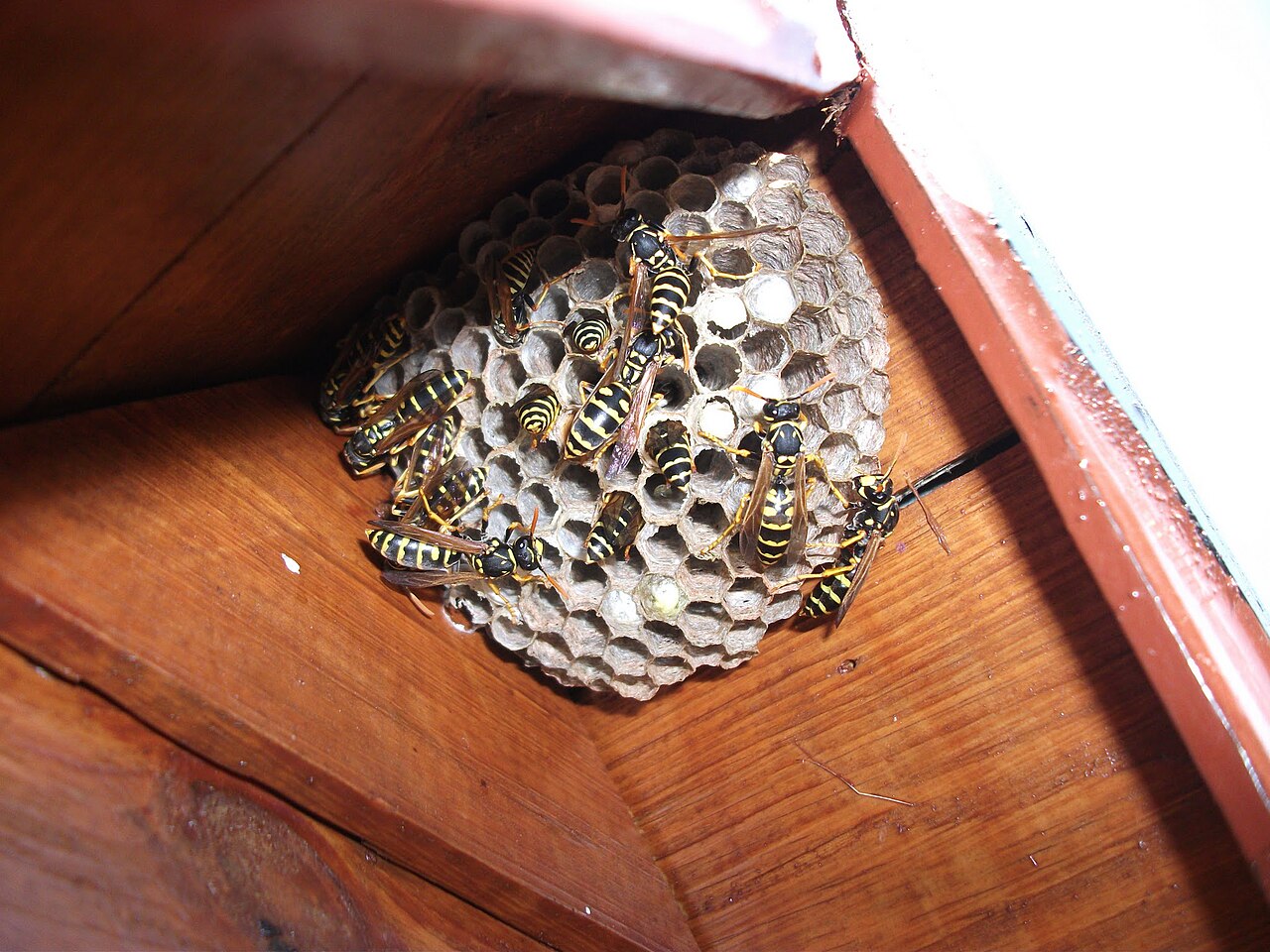
| Paper wasp nest under eave/porch (basketball-sized or smaller, below eye level) | $100–$250 | One visit, 20–30 minutes |
| Yellowjacket nest, exposed (under siding lip, in a shrub, under a deck rail) | $150–$350 | One dusk visit; possible follow-up |
| Ground yellowjacket nest | $150–$500 | One to two visits, dust treatment |
| Wall void / soffit / attic nest (entry hole into the structure) | $500–$1,500 | Dust + seal + follow-up; sometimes drywall access |
| Honeybee colony (if it's actually bees — see below) | $0–$500 via a beekeeper; more if walls must open | Varies; bees are relocated, not killed |
| After-hours / emergency premium | +$50–$150 | Same job, sooner slot |
One caution on the last row: "emergency" pricing is mostly avoidable. Yellowjackets in a ground nest between the patio and the door justify a same-week visit — not a Saturday-night surcharge.
Why it's almost never bees (and why that matters to the price)
Homeowners call every stinging insect a wasp, and that mislabel has a price. Honeybees — hairy, amber-brown, living in perennial colonies — are not treated with insecticide by reputable companies; they're removed or relocated by beekeepers, sometimes free. Yellowjackets are smooth, banded, and nest in the ground or walls in annual colonies. Paper wasps hang small open-celled nests and are rarely aggressive.
If you spray first and ask later, you've paid twice — once for the wrong service and once for the right one. Identify first with the wasp nest danger meter, and if the insects are fuzzy, check the pollinator-safe spray guide before anything gets sprayed.
Two money-saving facts most guides skip
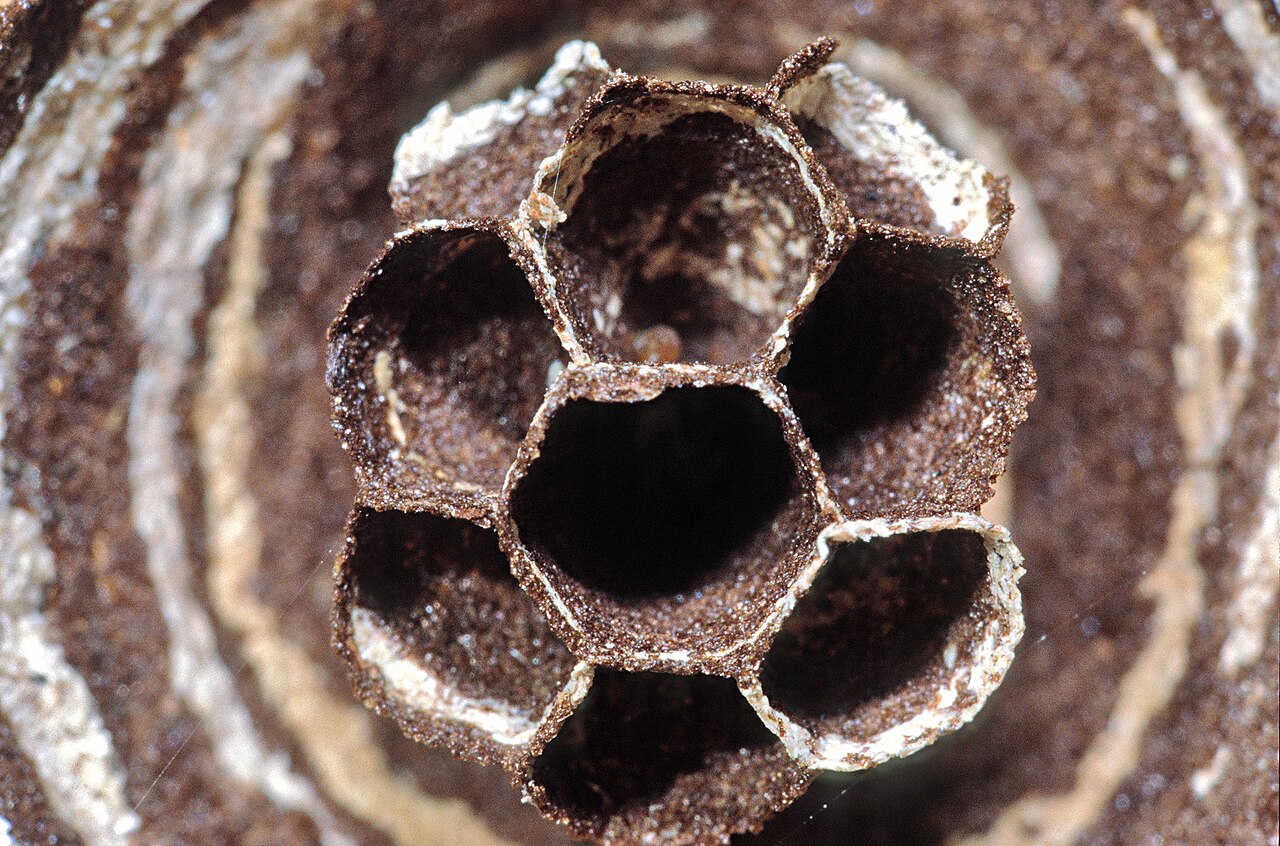
1. Wasp nests are one-season structures. Unlike honeybee hives, a yellowjacket or paper wasp colony dies with the first hard freezes. Only new queens overwinter — they leave in fall and start from scratch in spring, somewhere else. A nest you can see in November will be empty by January and will never be reused.
2. Old nests are décor, not a threat. Removing a dead, brown-gray nest in winter is a handyman job (scrape, bag, dispose), not a pest control job. Paying $200+ to remove an inactive nest is the most common wasted line item we hear about. Exceptions: if anyone in the household is allergic, or the nest sits directly over a doorway with continued activity, don't wait out the season — those belong to the current-season brackets above.
Fall is peak season — get aggressive pricing right
Clemson Extension's guidance is blunt about timing: yellowjacket populations "peak in late summer and early fall," when the colony has grown all season and foraging workers turn to human food and trash. That calendar has two practical consequences:
- Colonies are biggest when they're most dangerous. Treating at dusk or after dark, when foragers are inside, is the standard technique — and exactly why technicians won't hustle a ground-nest job in daylight.
- Don't bait the process. Traps and scavenging controls work on foragers, but they don't fix a nest under the patio. If you can see where they're going in, that's the target — and for ground and wall nests, that's a professional's target.
DIY or professional? The honest fork
The deciding factors aren't bravery — they're access and escape route. Ladder work while fleeing an agitated colony is where most wasp-related injuries happen, and the insect is usually the smaller hazard.
- Reasonable DIY: an exposed paper wasp nest within reach, low traffic area, treated at dusk with a long-range freeze spray, wearing sealed clothing, with a clear path indoors.
- Call a professional: ground nests, any nest higher than a stepladder reaches, nests inside a wall or soffit (never plug the entry hole), nests near a doorway with heavy traffic, and anything involving known allergies.
The danger meter scores your specific situation, and the DIY vs. pro calculator prices both paths when the job is borderline.
What a fair quote includes
- Both the kill and the seal. For wall-void nests, dusting without sealing the entry is a job half done — survivors find the old hole.
- A named treatment method (dust, aerosol, or directed spray) and who is licensed to apply it. Verify licensing through your state pesticide regulatory office.
- A follow-up clause. Ground and wall nests warrant a return visit; it should be in writing.
- Physical removal only where it matters. Dead nests in walls can stay; dead nests over a pool or doorway should be scraped.
- No blanket waivers. If the contract disclaims all responsibility for re-infestation, read it twice — the contract review checklist flags the clauses that matter.
And a pet consideration before any application: check the pet safety checker for the active ingredients on the proposal if dogs, cats, or fish share the yard.
Three ways to pay less for the same outcome
Before booking a one-off removal, run these three checks — each one routinely saves more than the service call itself:
- Read your existing pest plan first. Many quarterly pest-control contracts include wasp nest removal between regular visits at no extra charge. Homeowners book a separate one-off job while already paying for the service that covers it. One call to your provider answers this.
- Book off-peak. Quotes track demand: a small nest in late spring is a quick, cheap visit, while a September colony in a ground nest is the busiest week of the year for every company — and prices sit at the top of every range. If you can wait a week for a non-urgent job, you can usually wait for a better slot.
- Separate pest work from handyman work. Dead nest removal, scraping, and sealing gaps are not licensed pesticide work — a handyperson or you can handle those at a fraction of a pest-control rate. Pay the professional only for the live colony.
Run those three checks together and the bill for a typical home usually resolves to one number: a dusk visit in the $100–$250 bracket, or peace of mind that the nest will expire on its own.
Prevention beats a repeat bill next spring
Queen wasps overwinter in sheltered cracks and emerge in spring to build new nests from single queens — which means spring is when cheap prevention pays. Seal gaps under siding and eaves (in early spring, before queens start), keep trash lids tight through the picnic months, and hang early-season queen traps around deck perimeters. The seasonal defense calendar shows what's active around your home month by month.
Bottom line: most wasp problems are a $100–$500 problem, solved in one dusk visit — and a meaningful minority are No-Pay problems (dead nests, avoidable nests). Ask two questions of any quote: where is the nest, and what's included. The answer that mentions an attic, a soffit, or a wall void is the answer that justifies the higher bracket. For the evidence-based details, see Clemson Extension's yellowjacket fact sheet and UC IPM's peer-reviewed yellowjackets and other social wasps guide.