Why "don't spray" is real strategy, not a slogan
UC IPM's numbers make the case better than any slogan can: only about 1% of all insects and mites are harmful, most pest species are attacked by multiple natural enemies at once, and the natural enemies already living in your garden are generally better adapted to it than anything you can buy and dump out of a bag (UC IPM). That is why extension services call conservation of existing predators "the primary way to successfully use biological control" — protecting what's already there beats importing reinforcements.
The defenders this tool matches — and what each actually does
| Defender | Targets | How it works | Honest expectation |
|---|---|---|---|
| Lady beetles | Aphids, plus soft-bodied pests like mealybugs | Both adults and larvae are predators; a larva looks nothing like the adult — don't kill it by mistake | Residents work all season; retail-released ladybugs are "unlikely to be sufficient in numbers and quality" to control an outbreak (UC IPM) |
| Green lacewings | Aphids, spider mites, thrips, whiteflies | The larvae are the workhorses — generalist predators that also eat pest eggs | Excellent generalist; adults may leave if there's no nectar/pollen habitat to hold them |
| Beneficial nematodes | Soil-dwelling larvae — certain lawn pests and tree-borers; fungus gnat larvae in pots | Microscopic worms that hunt hosts in the soil; applied as a drench when soil is moist | One of the few augmentations extension services endorse for specific jobs (UC IPM) |
| Parasitic / braconid wasps | Caterpillars and hornworms | Lay eggs inside the host; the white "rice grains" on a hornworm are wasp cocoons — that caterpillar is already done for | Tiny, non-stinging to people; free and already present in most gardens |
| Predatory mites (e.g. P. persimilis) | Spider mites | Specialists that hunt spider mites and their eggs | Useful when spider mites flare — often after broad-spectrum sprays killed their enemies |
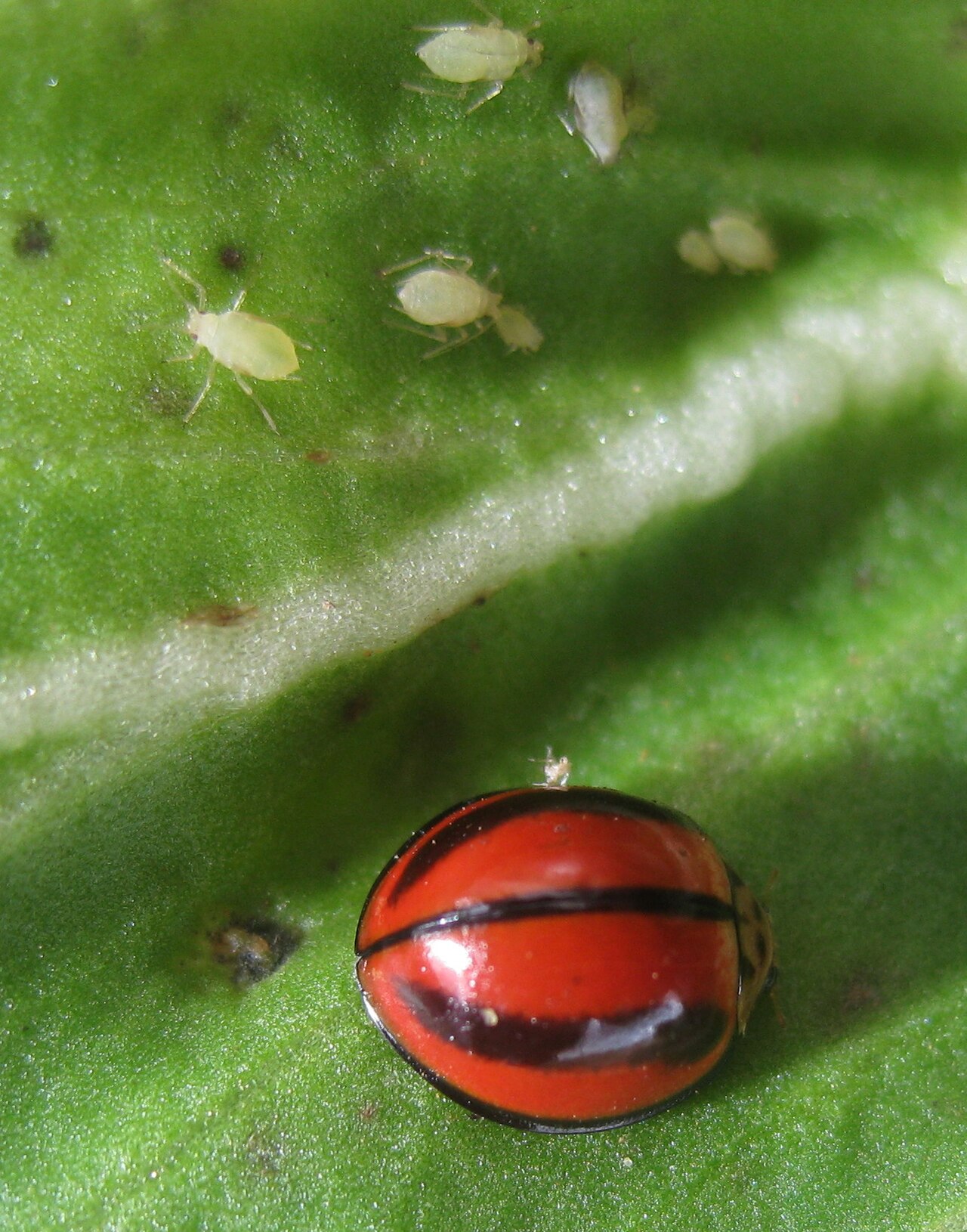
Conservation first: keep the defenders you have
Three moves protect the predator population already working your beds (UC IPM, Beneficial Predators):
- Stop broad-spectrum, residual sprays. The classic failure mode documented by UC IPM: a garden that sprays for caterpillars and then explodes with spider mites, because the spray wiped out the mites' enemies. Choose selective products and targeted timing instead — the pollinator-safe spray guide covers when and where to apply when you must.
- Plant for adults. Many beneficials need pollen, nectar, and shelter — small flowers (dill, fennel, alyssum, buckwheat) give adult lacewings and parasitic wasps a reason to stay and breed in your yard.
- Keep ants out of infested plants. Ants farm aphids and defend them from predators; a band of sticky barrier or a saucer moat is what lets lady beetles do their job. (Ant problems get their own treatment plan in the pest ID wizard if you're not sure what you have.)
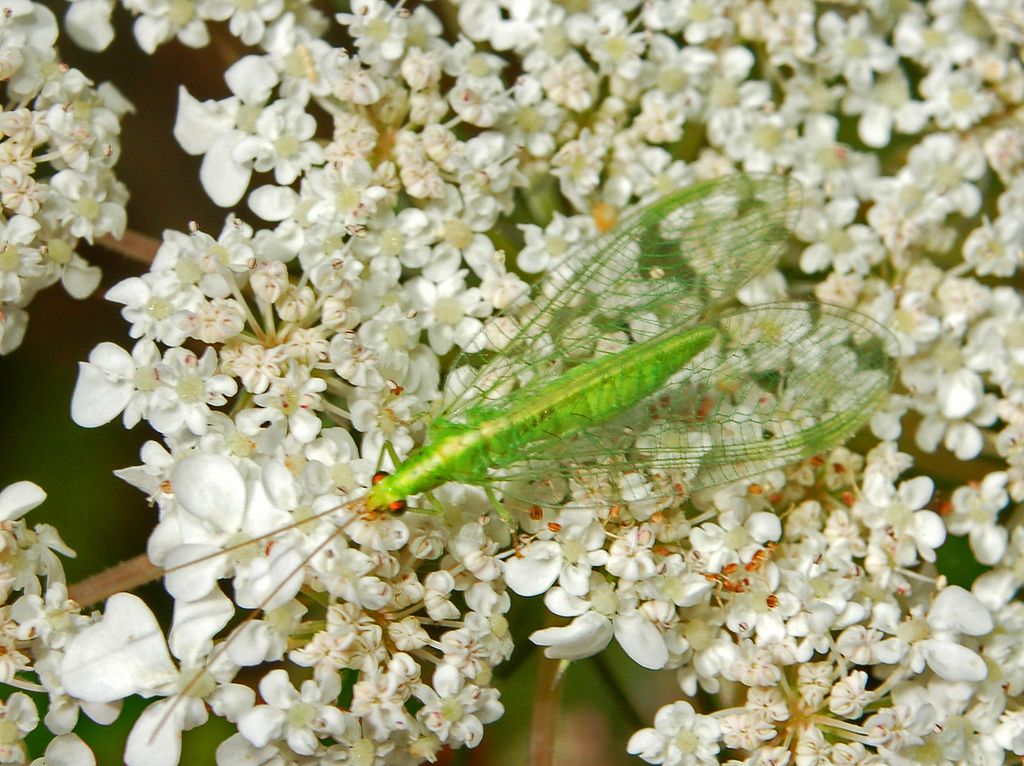
If you do buy and release: the honest expectations
UC IPM is refreshingly blunt about releases: "Releases are unlikely to provide satisfactory pest control in most situations," several marketed natural enemies are not effective, and mail-order lady beetles "purchased through retail outlets are unlikely to be sufficient in numbers and quality to provide control." The exceptions where augmentation can work: beneficial nematodes for soil-dwelling larvae (certain lawn and tree-boring insects — and fungus gnat larvae in containers), and bulk releases of aphid specialists timed for early season, before populations explode.
If you try a release, treat it like any other treatment: plan it before the outbreak, monitor before and after with the IPM treatment log, and accept that tolerating a background level of pests is part of the deal — the predators need something to eat. A garden that swings between zero pests and total war is a garden with no benefit population left to help you.
Sources: UC IPM (Beneficial Predators; Biological Control and Natural Enemies of Invertebrates).