What mosquito treatment costs in 2026
Residential mosquito control is priced two ways: per visit (a barrier spray of your yard's foliage and resting areas) or as a seasonal program of recurring visits. Nationally published pricing for a standard suburban lot clusters in a narrow band:
| Service | Typical price | Notes |
|---|---|---|
| Barrier spray — per visit | $65–$150 | Standard lot; larger properties scale up from there |
| Seasonal program | $325–$900 / season | Monthly visits through your local mosquito season; prepay discounts common |
| One-time event spray | $100–$250 | Before a party or after flooding; no lasting protection |
| Misting system | $1,200–$4,000 installed | Plus $60–$200/month in refills during the season |
| DIY concentrate + dunks | $25–$60 / month in product | Plus a one-time sprayer; results depend on coverage and timing |

What drives the price
- Yard size and layout — treated square footage is the base unit, but dense landscaping, tree lines, and multiple lawn zones cost more to cover properly.
- Water features — ponds, birdbaths, and French drains need larvicide work in addition to adult sprays (that's what our breeding-site inspection tool is for).
- Season length — a Gulf Coast program runs 8+ months; a northern program may run 4. Same visit price, very different annual bill.
- Frequency and method — monthly barrier sprays are the standard; some companies upsell "intensive" weekly service, which rarely changes the outcome.
- Local labor market — per-visit pricing in dense metro areas runs 20–40% above rural markets.
DIY vs professional — an honest comparison
DIY mosquito control works when you attack the source: standing water. Larvicide dunks and dumping breeding sites are cheap, effective, and the first thing any professional will do — run through our backyard breeding inspection before paying anyone. What DIY struggles to replicate is coverage: a pro's backpack sprayer reaches the undersides of foliage where adult mosquitoes rest during the day, and repeat visits keep the kill window continuous through the season. If your problem is a few stagnant plant saucers, DIY wins on value. If it's a tree-lined half acre adjacent to wetlands, a professional program is the realistic fix.
Whatever you choose, time applications around pollinators — our pollinator-safe spray guide covers when and how to spray without taking bees out with the mosquitoes. And if pets share the yard, check the pet safety checker before any broadcast application.
How to compare mosquito control quotes
- Confirm licensing — mosquito applications are pesticide applications; your state's agriculture department maintains an applicator license lookup.
- Ask what's included per visit — adulticide barrier spray, larvicide for standing water, and source-reduction walkthrough should all be on the quote.
- Get the rain policy in writing — a good program re-treats within days if rain washes out an application.
- Ask about product class — pyrethroid barrier sprays and botanical options have different re-entry windows and bee considerations.
- Check whether ticks are covered — the same yard treatments suppress ticks; if you're in a Lyme-risk area (see the tick risk heatmap), ask to include tick-focused perimeter work in your program.
For official guidance on what works (and what the EPA recommends as source reduction before any spraying), see the EPA's mosquito control resource, the CDC's mosquitoes portal, and NPIC's mosquito control methods.
What you are actually paying for
The EPA and CDC jointly publish the framework that mosquito programs are supposed to follow, and it is worth reading before you compare quotes, because it puts the expensive line items in order of proved effectiveness. Their integrated approach works through four tactics — remove mosquito habitats, use structural barriers, control the larval stage, and only then control adults — on the stated logic that "successful mosquito management requires intervening at some point during the mosquito's life cycle before they bite and infect a human".
The line that should reframe a price list is this one: the greatest impact on a mosquito population comes when the insects are concentrated, immobile and accessible — which describes larvae in water, not adults in the air. EPA and CDC state plainly that egg and larva interventions are "generally the most effective, least costly, way to control mosquitoes". Adulticide spraying is supported too, but as the response when disease transmission is ongoing or when source reduction and larval control have failed or are not feasible.
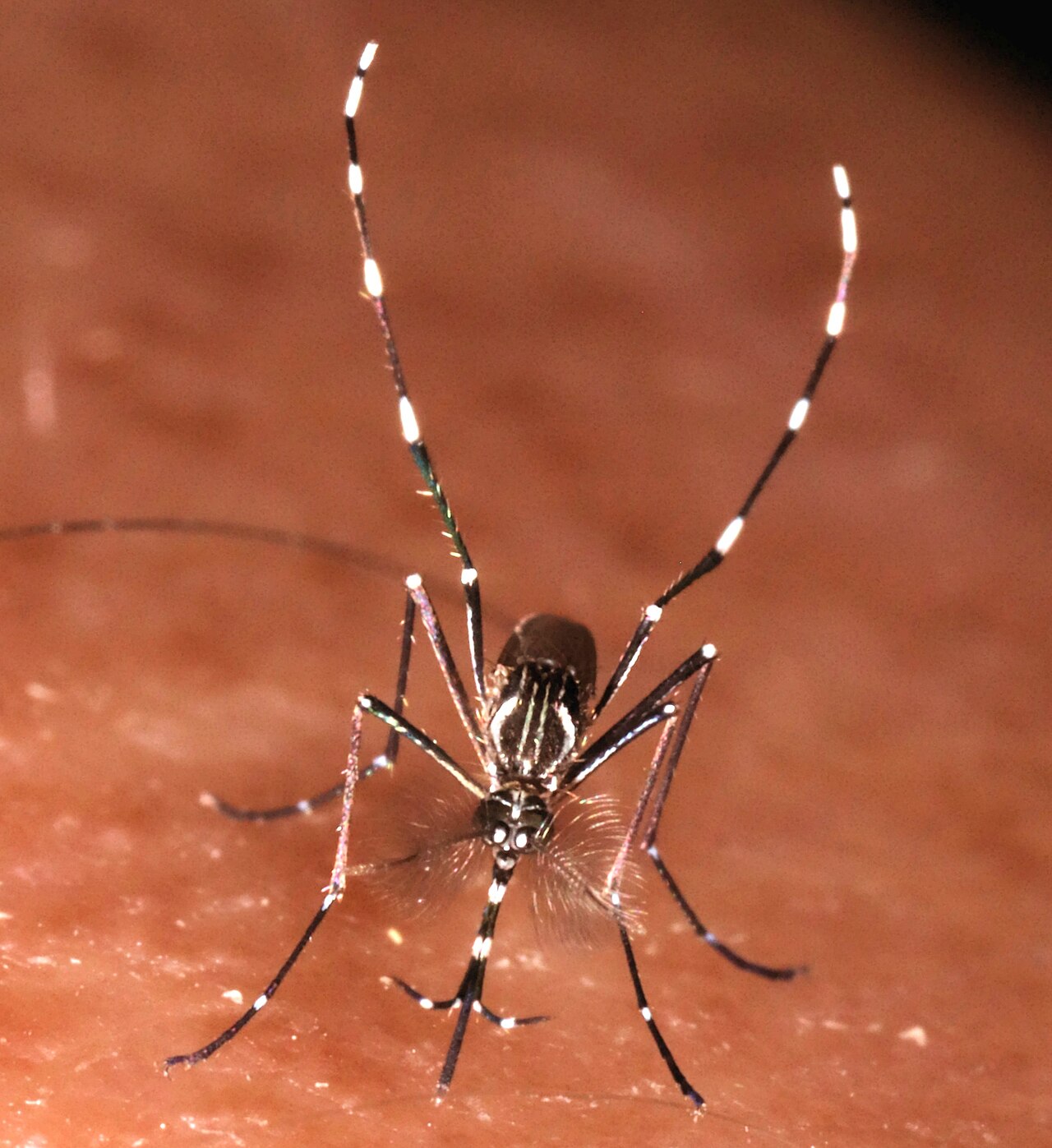
Where each line item sits in that framework
| What you are quoted | Where it sits in the EPA/CDC framework | What that means for the price |
|---|---|---|
| Source-reduction walkthrough (dumping containers, cleaning gutters) | Tactic 1 — remove habitats | The cheapest control there is, and the one that belongs in every program. If a quote omits it, you are buying spraying only |
| Larvicide for drains, water features and standing water | Tactic 3 — larval stage | Targets mosquitoes while they are concentrated and immobile. EPA and CDC call this the most effective and least costly category, so this is where an upsell should be, not a cut |
| Screens, gap sealing, netting | Tactic 2 — structural barriers | EPA notes Aedes mosquitoes frequently bite indoors, so this is the only line that protects you inside the house |
| Barrier spray of the yard | Tactic 4 — adult control | Kills adults present or resting in the treated foliage; it does not stop the next generation. Priced per visit, which is why the seasonal total is what matters |
| Misting system | Tactic 4, automated | The most expensive way to deliver adulticide, before refills. Justify it with a biting problem you have measured, not with the brochure |
One practical consequence from the same framework: EPA notes that Aedes mosquitoes can breed in containers as small as a bottle cap — potted plant saucers, toys, plastic covers, rain barrels — and that emptying and changing the water in bird baths, fountains, wading pools, rain barrels and plant trays once a week is what breaks the cycle. That is a free task on a seven-day timer, and no spray schedule replaces it.
One question worth asking on any quote follows directly from the same EPA guidance: the agency states that choosing which larvicide or adulticide to use in a given area is "best done by experts" and depends on the species, resistance, weather and the products already used nearby. That is a reasonable thing to expect a provider to explain. If the answer to "which product, and why this one" is a shrug, you are paying for a schedule rather than a program.
If you want the full detail on the biting species and which of them a lawn program cannot reach, the CDC's bite-prevention guidance states the important bit directly: mosquitoes bite day and night, so a program built only around dusk activity leaves the daytime biters to you and your repellent. The breeding-site inspection walks the container list if you want to find your own sources before paying anyone.
Sources: US EPA, Success in Mosquito Control: An Integrated Approach (the EPA/CDC joint methodology and the requirement to intervene in the life cycle before a bite; the four tactics of habitat removal, structural barriers, larval control and adult control; the statement that the greatest impact comes when mosquitoes are concentrated, immobile and accessible; that egg and larva interventions are generally the most effective and least costly; that chemical intervention is warranted when disease transmission is ongoing or when source reduction and larval control have failed or are not feasible; the specific habitat list of gutters, tires, buckets, covers, toys, bird baths, fountains, wading pools, rain barrels and plant trays with the weekly water-change rule; Aedes breeding in containers as small as bottle caps; the note that Aedes frequently bite indoors and the structural-barrier response; and larvicides targeting the immature stages before adults disperse); CDC, Preventing Mosquito Bites (mosquitoes biting day and night; EPA-registered repellents with DEET, picaridin, IR3535, oil of lemon eucalyptus, PMD or 2-undecanone and the EPA registration number check; permethrin-treated clothing; and controlling mosquitoes both indoors and outdoors).