Ticks don't have an off-season
The old "40-degree rule" is directionally right, but the CDC's framing is what to plan around: tick exposure can happen year-round, with activity peaking in the warmer months (April–September). More specifically, blacklegged tick adults "may be out searching for a host any time winter temperatures are above freezing" — so a January thaw in a mild week is a live-tick day, and the first warm weekend in March deserves a check after yard work (CDC, Preventing Tick Bites; CDC, Where Ticks Live).
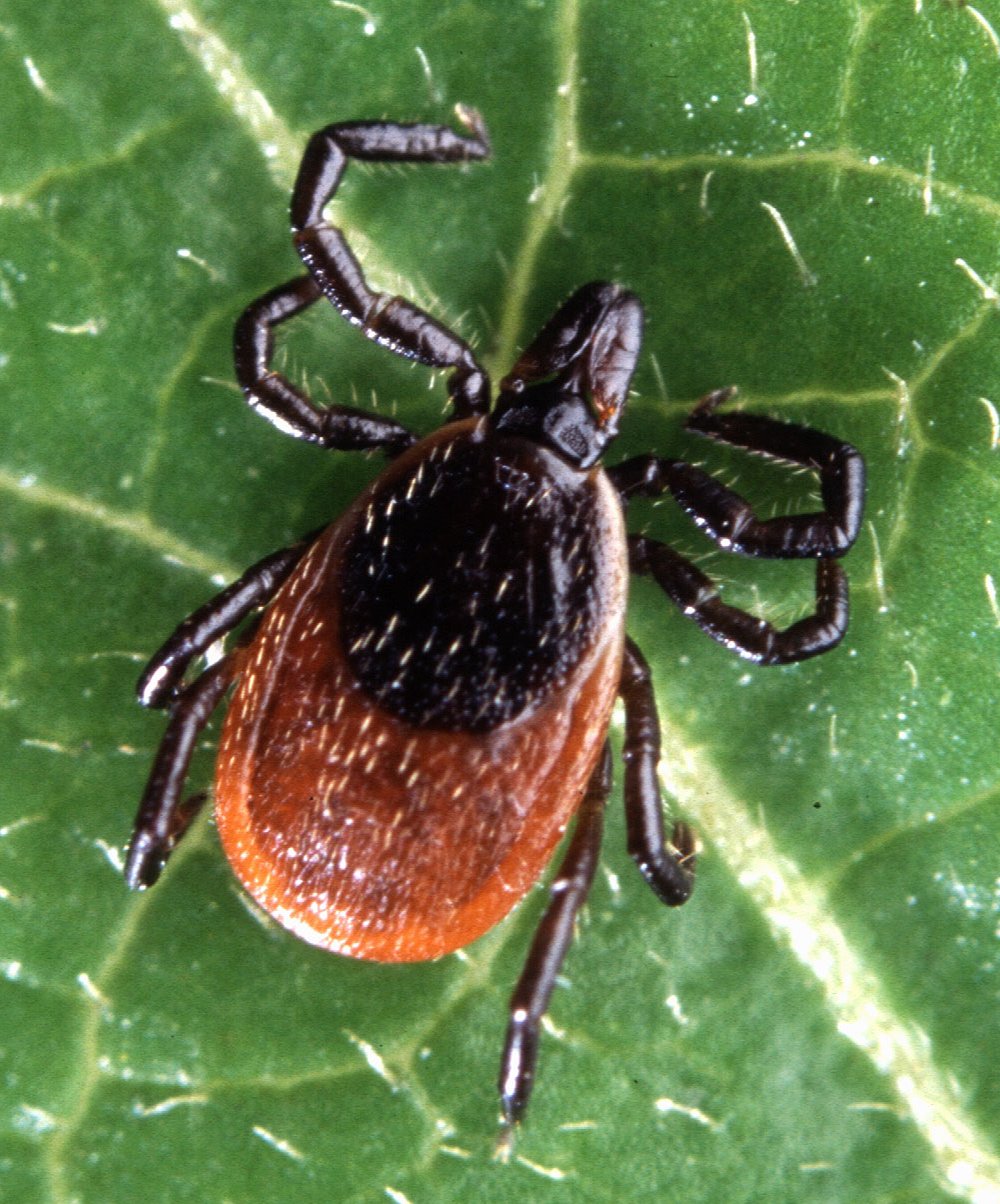
The four ticks behind this map — and what each carries
| Tick | Where it lives | What it transmits | When it bites |
|---|---|---|---|
| Blacklegged (deer) tick Ixodes scapularis | Widely distributed across the eastern U.S. and upper Midwest | Lyme disease, anaplasmosis, babesiosis, Powassan virus, hard tick relapsing fever | Risk peaks spring/summer/fall; nymphs and adult females bite humans most |
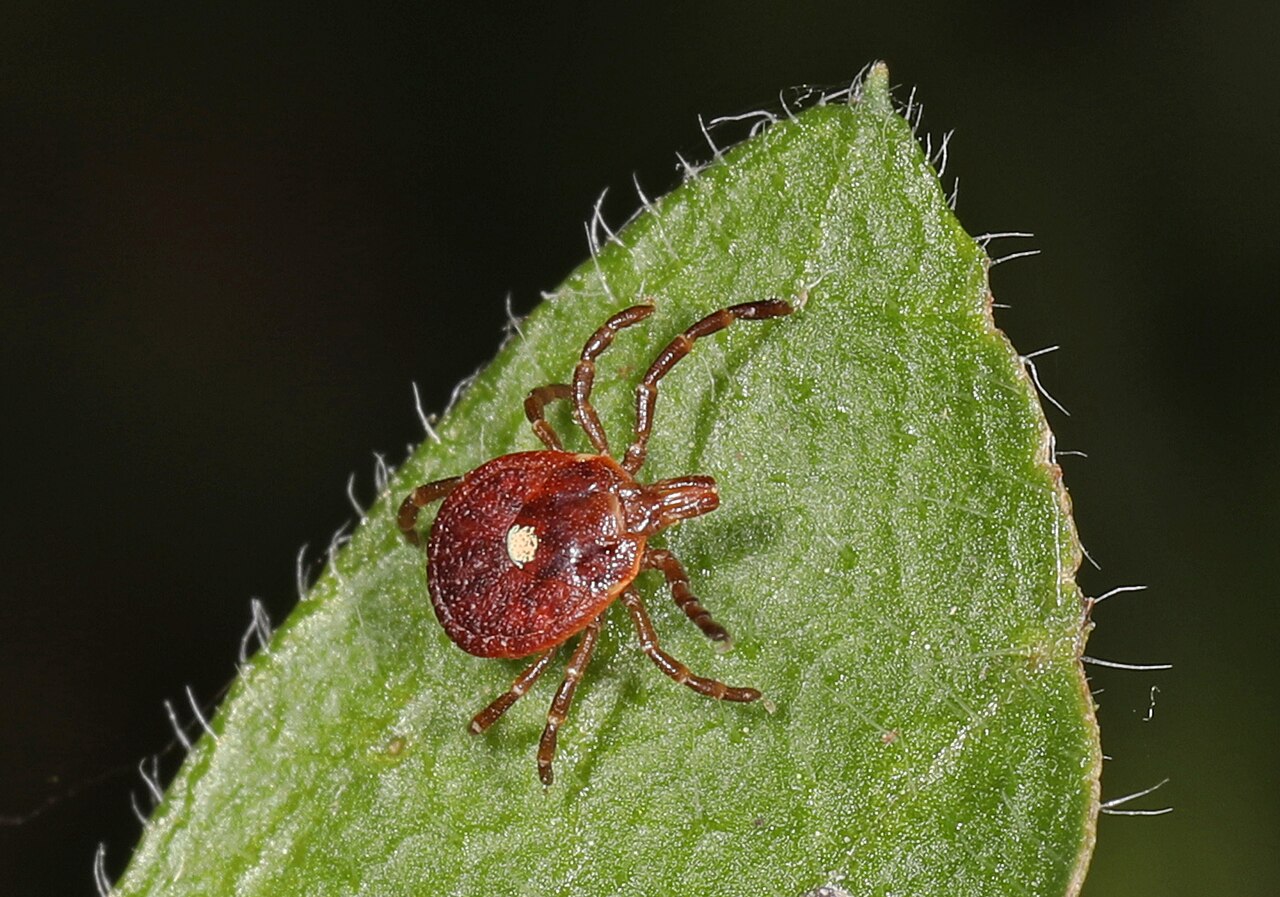
| Lone star tick Amblyomma americanum | Northeast, South, and Midwest — expanding | Ehrlichiosis, Heartland and Bourbon viruses, tularemia; STARI rash follows some bites; growing evidence it triggers alpha-gal syndrome (red meat allergy) | Very aggressive biter; nymphs and adult females bite most often |
| American dog tick Dermacentor variabilis | Widely distributed east of the Rockies (D. variabilis); D. similis west of them | Rocky Mountain spotted fever, tularemia | Highest risk spring and summer; adult females bite humans most |
| Brown dog tick Rhipicephalus sanguineus | Worldwide; can complete its life cycle indoors | Rocky Mountain spotted fever (southwestern U.S. and border regions) | Dogs are the primary host at every stage; humans are occasional hosts |
One naming note that trips people up: "deer tick" and "blacklegged tick" are the same animal, and the female lone star's white back-dot is why it's called "lone star" — it is not a marker of the western states (CDC). If you found a tick and can't tell what it is, photograph it from above before you dispose of it and run the insect through the pest ID wizard for the non-tick lookalikes it can rule out.
A tick check that actually finds ticks
The CDC's protocol, in the order that works:
- Check your clothing before it comes inside, and tumble-dry what you wore on high heat for 10 minutes. Damp clothing needs longer; cold and medium water will not kill ticks.
- Examine gear and pets. Ticks ride in on pets and bags, then attach to a person later.
- Shower within two hours of coming indoors. This has been shown to reduce the risk of Lyme disease — it washes off unattached ticks and forces the check.
- Do the full-body check with a mirror — yours and your kids': under the arms, in and around the ears, inside the belly button, behind the knees, in and around the hair, between the legs, and around the waist. "I was only in my own backyard" still counts; most people are bitten at home.
Pets are often the tick delivery system: check dogs after every walk with the same thoroughness, especially around the ears, collar line, and between the toes. If you are weighing a yard treatment for the dog's sake, run the product through the pet safety checker before it goes down, and time any outdoor spraying with the garden's other residents in mind via the seasonal defense calendar.
If you find one attached
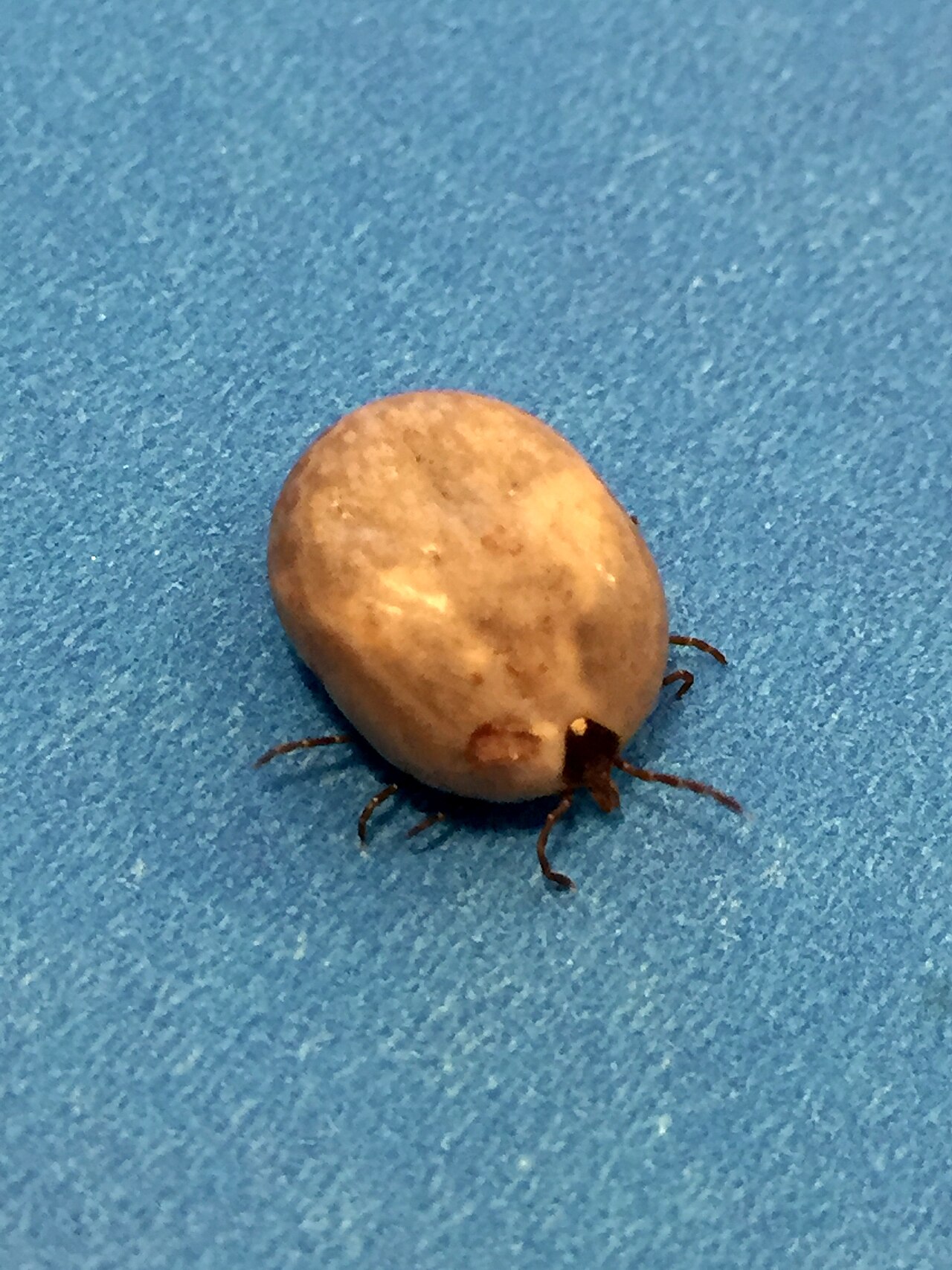
Remove it as soon as you find it — the CDC is explicit that you should not wait for a healthcare provider to do it, because delaying removal increases disease risk. A plain set of fine-tipped tweezers works well (dedicated tick tools are fine, but optional). Pull steadily upward, close to the skin, and don't crush the tick. Then:
- Save the tick in rubbing alcohol, hand sanitizer, or a sealed container — Ohio State's extension fact sheet recommends this (plus noting the bite date), and it enables identification later if symptoms appear.
- Watch for symptoms for several weeks. CDC guidance: if you develop a rash or fever within days to weeks after removing the tick, see your doctor — and mention the bite. Ohio State adds chills and aches/pains to the watch list; Lyme's expanding rash typically appears around 7 days after a bite (range 3–30).
- Don't panic-diagnose. Lone star tick saliva alone can cause redness and discomfort at the bite site that does not indicate infection (CDC), so the deciding factor is whether you get systemic symptoms in the following weeks.
Sources: CDC (Preventing Tick Bites; Where Ticks Live; What to Do After a Tick Bite; About Lyme Disease) and The Ohio State University Extension, Ohioline fact sheet ENT-0096 (Blacklegged tick).
Make your yard a less tick-friendly place
The CDC's landscaping guidance is one of the highest-value tick interventions a homeowner can do, because it targets the tick's actual requirements — shade, moisture, and mammal hosts:
- Remove leaf litter and clear tall grasses and brush around the home and lawn edges.
- Create a 3-foot-wide barrier of wood chips or gravel between lawns and wooded areas to restrict tick migration.
- Mow frequently, and stack firewood neatly in a dry area (it discourages the rodents ticks feed on).
- Keep playground equipment, decks, and patios away from yard edges and trees.
- Fence out or discourage deer, raccoons, and stray dogs; remove old furniture and trash where ticks can hide.
None of it is dramatic, all of it compounds: fewer tick habitats plus consistent personal checks are how the risk maps above stop being just a map and start reflecting your yard.