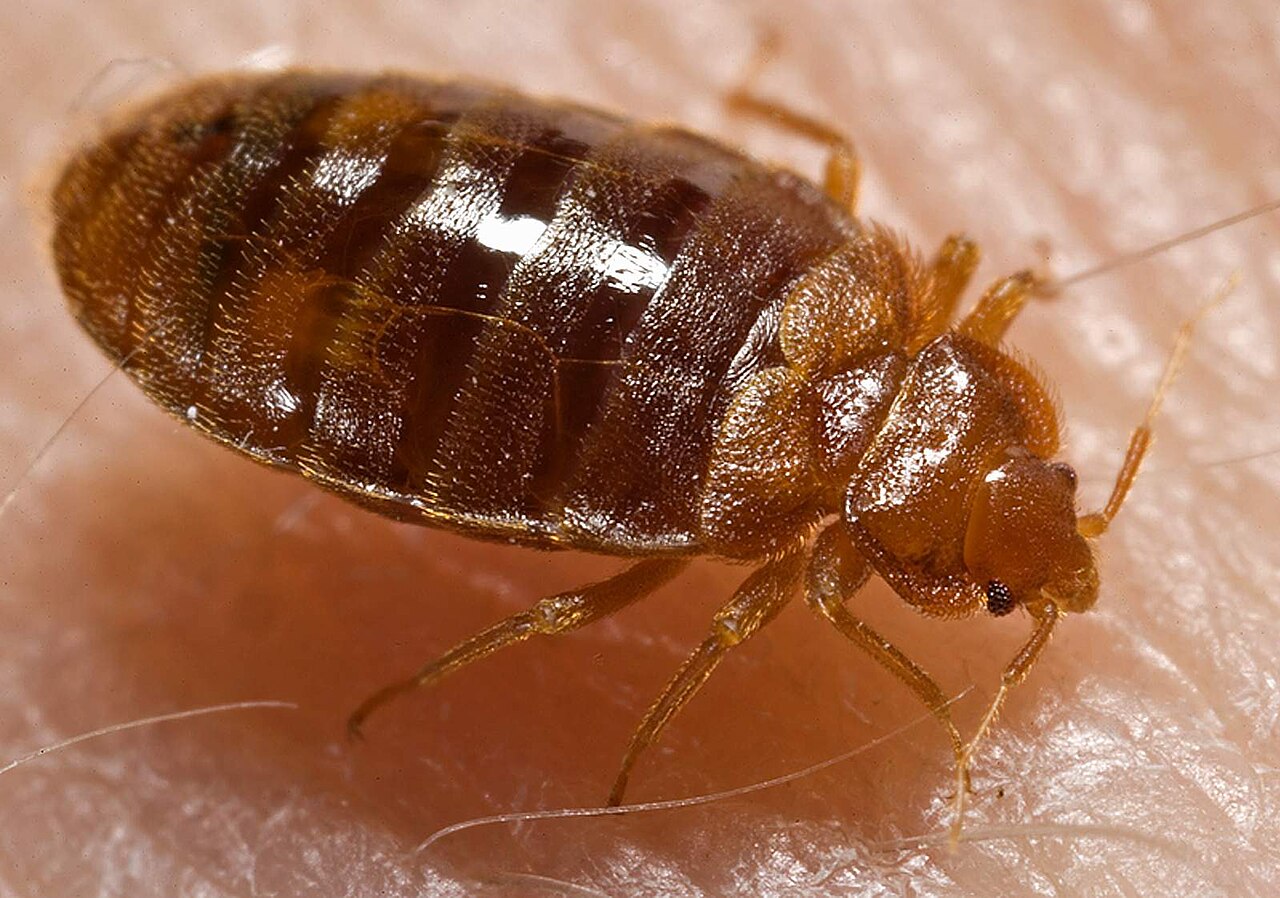
What heat treatment costs in 2026
Professional heat treatment uses electric or propane heaters and high-volume fans to hold the infested space at a lethal temperature — roughly 120–130°F, verified by sensors placed where bugs hide. Pricing is most often per room or per square foot: expect roughly $300–$600 per room or $1–$3 per square foot, with typical whole-home jobs landing between $2,000 and $5,000. Single rooms and apartments run less ($1,000–$1,800); large homes with heavy clutter can exceed $6,000.
| Scenario | Typical price | Notes |
|---|---|---|
| Single room | $300–$600 | Detected early, contained to one bedroom |
| Apartment (1–2 rooms) | $1,000–$1,800 | Adjacent units usually need inspection too |
| Whole house (2,000 sq ft) | $2,000–$5,000 | Heater count and setup time drive the range |
| Severe / cluttered home | $4,000–$6,000+ | Longer soak, more equipment, repeat visit risk |
Build your own estimate by home type, room count, and severity with the bed bug treatment cost calculator — it prices heat vs chemical side by side.
Why heat costs more upfront — and often less overall
Chemical treatment looks cheaper on the invoice: a first visit runs roughly $300–$500 per room. But chemicals rarely finish the job in one pass. Eggs are the weak point of every spray program — most over-the-counter and many professional products do not penetrate egg cases, and bed bugs have developed real-world resistance to common pyrethroids. That means 2–3 follow-up visits over several weeks, each with preparation and re-laundering, before the population collapses.
Heat does not have that problem: held at target temperature, it kills adults, nymphs, and eggs simultaneously, which is why it can finish in a single day. It also leaves no residual protection — if bed bugs are reintroduced from a neighboring unit or a piece of luggage next week, nothing stops them, which is why many companies pair heat with a light residual application. That single-day property is the entire value proposition: you are paying a premium to skip three rounds of chemical chess.
What the price should include (and what it shouldn't)
- Heaters, fans, and temperature sensors placed throughout the treated area — ask how many sensors and where; unmonitored heat misses cool pockets.
- Pre-treatment prep guidance: declutter, open drawers and closet interiors so hot air reaches hiding spots; remove aerosols, plants, and heat-sensitive medications.
- Target hold time — the lethal temperature must reach the core of furniture and wall voids, not just the room air. A proper treatment runs for hours, not 60 minutes.
- A follow-up inspection (often included) with interceptors to confirm the kill.
- Not included: laundering, mattress/box-spring encasements, or interceptor traps — expect these as add-ons or buy them yourself.
The traps that make people pay twice
- Waiting too long. Bed bugs lay 200–250 eggs per female and populations compound fast — a small infestation treated early is a room job, not a house job.
- Treating the wrong unit. In multi-unit buildings, heat kills only where you heat. If the source apartment is next door, you will be back — coordinate building-wide.
- Skipping prep. Overstuffed closets and sealed drawers create cool refuges; the treatment fails where the air never reached target.
- Buying "bed bug heaters" online. Consumer heaters cannot hold 120°F+ in a wall void; the survivors rebuild the colony. This is the one treatment where DIY equipment is mostly wasted money.
- Foggers and "bombs." They scatter bugs deeper into walls and are explicitly discouraged — see the University of Kentucky's bed bug fact sheet for the full list of what not to do.
When chemical treatment is the better buy
If the budget is the binding constraint, a professional chemical program works — it just costs visits, not dollars. It is also the right add-on when heat is impractical (occupied apartments without relocation options, homes packed with heat-sensitive items). The University of Minnesota's bed bug treatment overview is blunt: eliminating bed bugs yourself is very difficult, and a professional is the realistic path for either method. If bites are still an open question, confirm identity first with our bed bug bites vs mosquito bites guide — then estimate both methods in the bed bug cost calculator before calling anyone.
Does heat treatment kill bed bug eggs?
Yes — and that is the entire technical argument for paying the premium. Eggs are the stage that chemical programs miss: they are tiny, tucked into crevices sprays never reach, and many insecticides that kill adults have little effect on the egg case. Heat has no such blind spot. When sensors confirm the target temperature has soaked through the treated space, eggs and adults die at the same rate, because the lethal agent is the air itself. This is why one properly monitored heat visit can equal three chemical visits — the chemical sequence exists largely to kill the nymphs that hatch after the first spray. Ask any company you interview exactly how they verify egg-kill: the honest answer involves placed sensors and a hold time, not a thermostat reading at the heater.
How to compare heat-treatment quotes
- Insist on sensored heat — number of sensors, target temperature, and hold time in writing.
- Ask what happens if live bugs are found at the follow-up — a free re-treat clause is the mark of a confident operator.
- Confirm the warranty scope: whole-home or treated-rooms only, and how long.
- Ask whether a light residual application is included after heat (recommended, since heat has no residual).
- Verify the company's license with your state regulator via the NPIC state agency directory, and read the EPA's bed bug portal for official do's and don'ts before anyone sprays anything in your bedroom.
What to do the night before heat treatment
Preparation is the part you control, and it directly changes whether the treatment works. Bed bugs hide deep, and the heated air has to circulate everywhere they do.
- Declutter floors, closets, and under-bed zones — piles of clothing and boxes are heat sinks where bugs survive.
- Open every interior closure: drawers, closet doors, cabinet doors, zipper cushions, and the seams of anything upholstered so hot air penetrates.
- Unplug and remove heat-sensitive items: aerosol cans, candles, medications, houseplants, musical instruments, and anything with pressurized or meltable components.
- Skip the laundry pile-up — one advantage of heat is that bedding and clothing can be heated in place rather than bagged, per the University of Kentucky guidance above.
- Plan pet removal — all animals out of the treatment zone, including fish tanks (the room will exceed safe aquarium temperatures long before the hold time ends).
- Plan your own overnight stay elsewhere until the technician clears re-entry — heat alone has no residual, so re-entering early buys you nothing.
One more reason to move fast on the decision: every week of delay lets the population spread to more rooms, and heat pricing is essentially per-room. A three-room problem caught in week one is the cheapest heat job you will ever book; the same infestation in month three is a whole-home project. Want to know what is happening inside that clock? Our stage-by-stage lifespan guide covers how long each life stage lives — and why the numbers argue for speed. If you found live bugs today, the emergency pest triage tool prioritizes your first 48 hours so nothing urgent gets skipped while you book treatment. When you are ready to price it, the bed bug cost calculator gives you a range to hold quotes against — and if you are weighing DIY products one more time, our roach elimination guide explains the same principle that applies here: consumer products push pests deeper instead of killing them.