The pattern is the biggest clue
Bed bugs feed in lines. The classic "breakfast, lunch, dinner" pattern — three or more bites in a row or a loose cluster along skin that touched the mattress edge — happens because a disturbed bed bug walks a few millimeters and feeds again. Mosquitoes feed randomly. One bite here, another on the other ankle, wherever bare skin was exposed at dusk.
- Linear or clustered welts, often on one side of your body → suspect bed bugs.
- Random scattered bites on arms, legs, neck after outdoor evening time → suspect mosquitoes.
- Bites only above the collar? Fleas (ankles/legs) or bed bugs (shoulders, arms, back) are more likely than mosquitoes.
Timing tells the rest
Mosquito welts appear within minutes and itch immediately; they usually fade within a day or two. Bed bug reactions are delayed — often 1–3 days after the actual feeding — which is why people wake up with new bites without ever seeing a bug. Roughly 30% of people show little or no reaction at all, so a "clean" partner sleeping beside a bitten one does not rule bed bugs out.
Location: where on the body
- Bed bugs: skin exposed while sleeping — face, neck, shoulders, arms, hands. Rarely below the waist if sheets tuck tightly.
- Mosquitoes: any exposed skin, ankles and calves included, and they chase you indoors too.
- Fleas: ankles and lower legs, intensely itchy, centered around a pet's favorite spot.
The 3-step confirmation (do this tonight)
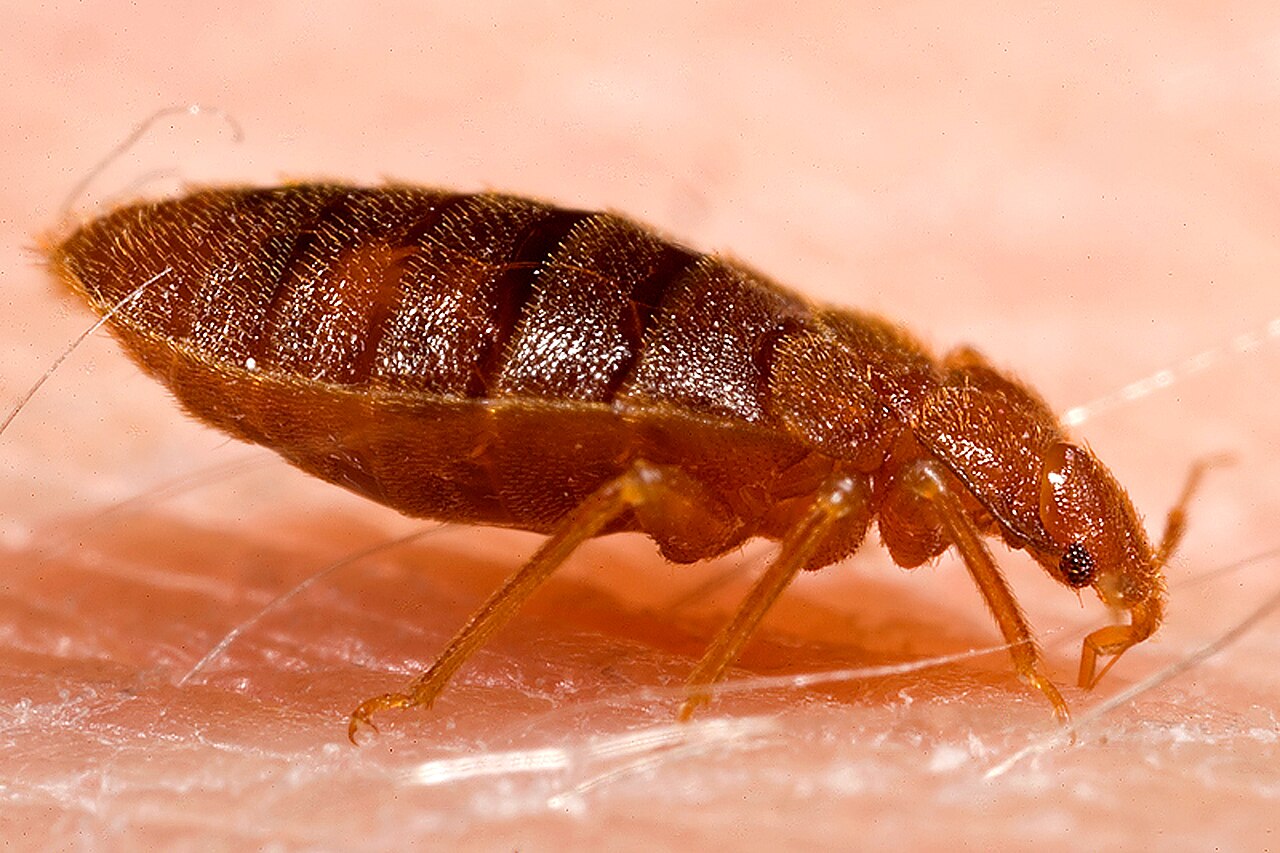
- Inspect the mattress seam and box spring. Pull back the piping with a card. You are looking for 1–5 mm rust-colored insects, tiny black ink-dot fecal spots, or pearly 1 mm eggs in seams.
- Check the headboard and frame joints. Bed bugs hide within 8 feet of the sleeper — behind the headboard, in screw holes, under lamp bases.
- Set interceptor traps. Climb-up-style cups under bed legs catch bugs traveling to and from the bed. Empty traps after a week are your all-clear evidence.
The EPA's bed bug appearance and life cycle guide has close-up photos of each stage, and the University of Kentucky extension bed bug fact sheet covers detection methods in depth.
If the insect you found is hairy, banded and carrot-shaped rather than smooth and flat, you are looking at a carpet beetle larva — a fabric pest whose hairs cause skin reactions that mimic bites but need nothing a bed bug treatment would fix. The carpet beetle larvae vs bed bugs guide covers that side of the confusion, including the published case series where carpet beetle larvae were mistaken for biting insects.
What the bites cost you
Treating bites is cheap — wash with soap, use an antihistamine or hydrocortisone cream, and resist scratching (secondary infection is the real risk). Treating the infestation is not: professional heat treatments run hundreds to thousands of dollars depending on home size, and DIY chemical programs take weeks of disciplined follow-up. Estimate yours with the bed bug treatment cost calculator.
When it is neither
Before you buy a single spray, consider the impostors: carpet beetle larvae (hairy fibers cause mechanical irritation, not bites — and the larvae are harmless-looking shed casings), scabies (burrow lines between fingers, worse at night, needs a doctor), and laundry-detergent or fabric irritations. If the bites happen outdoors at dusk rather than overnight indoors, compare against the outdoor biters instead — the gnats guide covers biting midges, which sting through screens and leave welts that itch for days. If no insects, no fecal spots, and no cast skins turn up after two weeks of interceptor monitoring, escalate to a dermatologist rather than treating an invisible infestation.
The two bites side by side
| What you are comparing | Bed bug bite | Mosquito bite |
|---|---|---|
| When the reaction appears | One to several days after feeding, sometimes a week or more — the bite itself is painless | Within minutes |
| The bite itself | Painless: the bug injects an anesthetic and an anticoagulant while it feeds for three to ten minutes | Sharp, immediate — you usually feel the bite land or swat it |
| Pattern | Random, or in a straight line or loose cluster: a disturbed bug walks a few millimetres and feeds again | Random, wherever skin was exposed — one bite per feeding |
| Where on the body | Any skin exposed while sleeping: face, neck, shoulders, back, arms, legs | Any exposed skin, ankles and calves included — and they follow you indoors |
| How long marks keep appearing | Days to weeks, because reactions are delayed — new welts can show up after the bugs are already gone | A day or two per bite |
| Who reacts | About 30% of people show little or no reaction even when bitten repeatedly — more among the elderly | Almost everyone reacts, though sensitivity varies with exposure history |
| Season | Year-round indoors; worse in warm months when populations grow faster | Warm months, with dawn and dusk peaks — though some species bite in daylight |
| What proves it | Bugs, cast skins, eggs or ink-dot fecal spots in mattress seams, frames and headboards — within about 8 feet of where you sleep | Nothing to find: the mosquito left. Evidence is the setting, not the insect |
Why one bug leaves a line of bites and the other leaves one
A mosquito takes a single blood meal and leaves; her bites show up wherever skin was exposed at that moment. A bed bug feeds for three to ten minutes to become fully engorged, and if it is disturbed mid-meal — by a shift in position, a sheet moving, a light going on — it walks a few millimetres along the skin and starts again. Do that two or three times in one night and you get the line of welts people photograph and post. It is also why the number of bites says nothing about the size of the infestation: three bites in a row can be one bug on one night.
The feeding schedule is just as misleading in the other direction. Bed bugs feed mainly at night and hide by day, so the evidence appears in the morning and the itch arrives days later. If you are seeing fresh bites every night on exposed skin, the source is most likely in the room where you slept — not outdoors.
How long the bites last, and when to get help
For most people this is a nuisance that resolves in one to two weeks. Two things are worth watching. The first is secondary infection: intense scratching opens the skin, and that — not the bite — is the medical risk. The CDC's bed bug guidance lists itching, loss of sleep, and skin problems from scratching as the common outcomes, with allergic reactions possible and occasionally serious. A bite that is hot, spreading, or weeping is a call to a clinician, not a reason to buy another spray.
The second is timing confusion. Because bed bug reactions can be delayed by days or even weeks — and because roughly a third of people never react at all — the classic scene of one partner covered in bites and the other spotless proves nothing. University of Kentucky extension entomologists make the point bluntly: non-reactivity is common, and it gets more common with age. Inspect the room, do not audit your partner's skin.
Preventing the next round
For mosquitoes, the effective layer is personal protection, not spraying the yard. The CDC recommends EPA-registered repellents containing one of a short list of actives — DEET, picaridin, IR3535, oil of lemon eucalyptus or its synthetic equivalent PMD, and 2-undecanone — applied to skin, with permethrin used on clothing and gear only, never on skin. Two label rules matter for households with small children: do not use OLE or PMD products on children under three, and apply repellent to your own hands before putting it on a child's face. Around the house, fix screens and empty standing water weekly — see the mosquito breeding inspection tool for the container checklist, and the mosquito treatment cost calculator if you are weighing a professional barrier treatment as well.
For bed bugs, prevention is detection. Full mattress and box-spring encasements keep bugs out of the seams where they hide, interceptor cups under the bed legs catch travellers and act as a monitoring device, and a two-minute inspection of hotel rooms — mattress piping, headboard, nightstand drawer — before you unpack is what keeps an infestation from coming home in your luggage. Bed bugs are patient travellers: they spread through the folds of luggage, bags and folded clothing, so a hard-sided suitcase kept off the bed is a real precaution rather than a superstition.
Next steps
Found suspicious signs? Run the numbers on the bed bug cost calculator, compare professional against DIY with the DIY vs Pro calculator, and if you are mid-trip, ask whether heat treatment is offered where you found the bugs — hotels treat proactively because the alternative is reviews like this guide. If the culprit is unclear, the Pest ID Wizard narrows suspects by where and when you see them. Once confirmed, our stage-by-stage lifespan guide tells you how fast the population behind those bites keeps growing. If the “bed bugs” you found are actually tiny dark specks on a damp bookshelf or a sunny windowsill, work through the tiny black bugs ID guide first — booklice and carpet beetles are far more common and need a completely different response.
Sources: Centers for Disease Control and Prevention, About Bed Bugs and Preventing Mosquito Bites; University of Kentucky Entomology ENTFACT-636, Bed Bugs (engorgement time, non-reactivity rates, egg and lifespan figures); U.S. EPA, Bed Bugs: Appearance and Life Cycle and Find the Repellent that is Right for You (EPA-registered repellent actives).