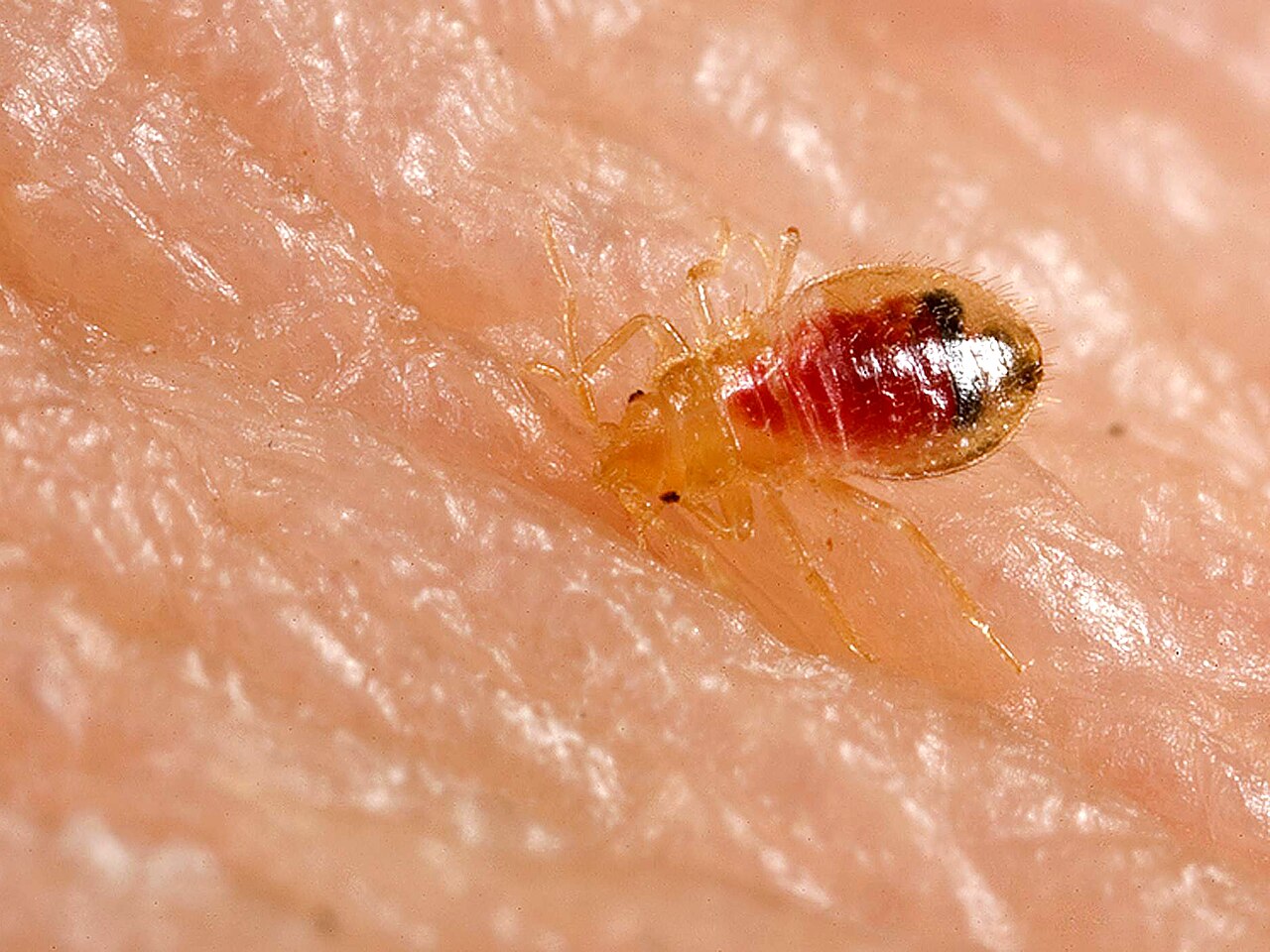
The short answer
- Eggs hatch in about 6–15 days at room temperature — slower in cool rooms.
- Nymphs pass through five molts, each requiring a blood meal. Egg-to-adult takes roughly 5 weeks to 4 months, depending on temperature and access to a host — as fast as one month at 70–80°F.
- Adults typically live 2–4 months under normal household conditions; with a steady food supply the average is closer to 10 months, and laboratory studies have recorded well over a year.
- Without feeding, bed bugs survive 20–400 days depending on temperature and humidity — typically 1–4 months in a heated home, potentially a year or more in a cool one.
Those ranges are not trivia. They explain why one treatment visit often fails, why “vacant home” strategies backfire, and why the single most useful thing you can do is confirm the bug and start treatment early — the bite identification guide settles the “is it even bed bugs?” question first.
The bed bug life cycle, stage by stage
| Stage | Typical duration | What happens |
|---|---|---|
| Egg | 6–15 days | Glued to surfaces near sleeping areas; eggshells stay behind after hatching |
| Nymph (5 instars) | ~5 weeks–4 months total | Must take a blood meal before each molt; smaller and lighter than adults |
| Adult | 2–4 months typical; ~10 months average with food; up to 1 year+ | Females lay 200–500 eggs in a lifetime; adults feed every 5–7 days when hosts are available |
| Unfed (any stage) | 20–400 days | Survival stretches dramatically as temperature drops |
The University of Kentucky's bed bug fact sheet (ENTFACT-636) puts the whole cycle in plain numbers: under favorable conditions (70–80°F) with a ready blood supply, bed bugs can go from egg to reproducing adult in as little as a month and produce multiple generations per year. UC IPM gives the broader range — five weeks to four months from egg to adult — with development fastest between 70° and 82°F. That single temperature window is why summer infestations can explode while winter ones seem to crawl.
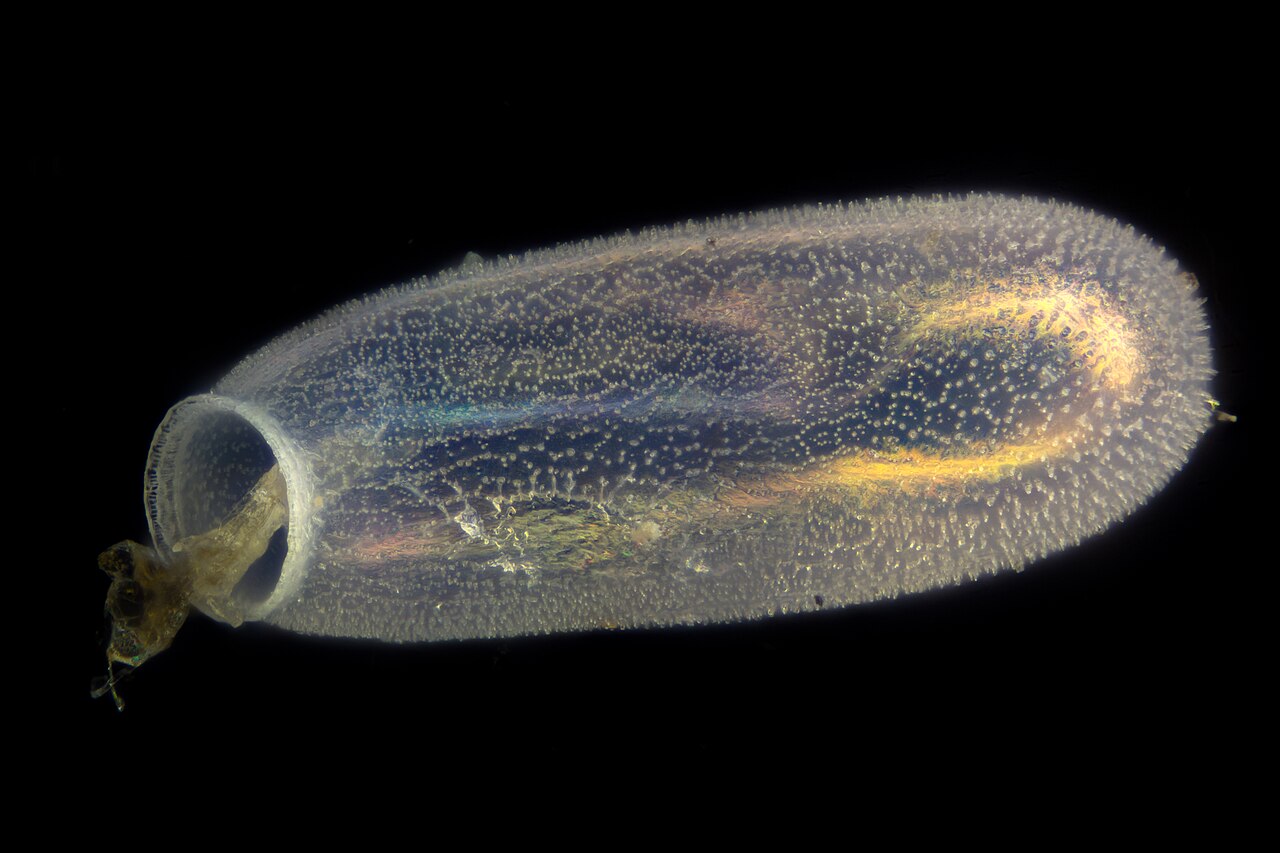
One detail worth knowing: eggshells stay stuck in place after hatching — sometimes for years. Finding translucent shells is evidence of a past generation, not necessarily an active bug problem. Live nymphs and adults, cast skins, and fresh fecal spots are the signs that matter.
How long can bed bugs live without feeding?
This is the question behind the most common DIY strategy — leave the house empty and “starve them out.” The strategy fails, and the numbers show why.
- In a typical heated home: adults and older nymphs survive roughly 1 to 4 months without a blood meal (University of Kentucky).
- In a cool room (55°F or less): survival stretches to a year or longer (UKY). UC IPM reports lab adults surviving more than 400 days without food at low temperatures.
- Young nymphs are the least resilient — days to a few months — but they are also the most numerous after an untreated breeding cycle.
And starving an infestation assumes the bugs stay put. When a unit is vacated, bed bugs frequently move through wall voids to neighboring rooms or simply lower their metabolism and wait until someone returns. UKY's assessment is blunt: it is “usually impractical to leave homes unoccupied in hopes of 'starving' an infestation.” If you are moving, treat the infestation — and treat your belongings as potentially infested in transit.
Why temperature changes everything
Every lifespan number above is really a temperature statement. Bed bugs are cold-blooded, so their clock — how fast they develop, how often they need to feed, how long a fasting bug survives — speeds up or slows down with the room.
- 70–82°F (21–28°C): fastest development; a generation can complete in about 5 weeks and a female may lay eggs continuously.
- Below 65°F (18°C): development slows sharply; bugs need fewer meals over time, and fasting survival stretches by months.
- 120–130°F (49–54°C): lethal to all life stages when held — this is the basis of professional heat treatment. Killing heat must soak furniture and wall voids, not just warm the room air.
- Below freezing (32°F/0°C): not a quick fix. UKY notes freezing temperatures must be maintained for one to two weeks to kill bed bugs — which is why “open the windows in winter” doesn't end an infestation.
A practical consequence: dormancy is not death. A cool bedroom can hold a small population that appears gone — no bites for weeks — until warmer weather or a returning host restarts activity. That is one reason professionals confirm elimination with monitoring traps rather than “no bites lately.”
What the lifespan means for treatment
A bed bug's lifespan is dominated by two facts: females keep laying eggs (200–500 in a lifetime), and eggs hatch in roughly one to two weeks. Any treatment that kills live bugs but misses eggs is a treatment that schedules its own comeback in two weeks.
- Expect a follow-up window. Chemical programs take 2–3 visits precisely to catch nymphs that hatch after the first application. If a company promises a single spray will end it, ask how they handle post-treatment egg hatch.
- Heat is the one-visit exception — with caveats. A monitored heat treatment kills adults, nymphs, and eggs in one session because the lethal agent reaches every life stage at once. What it does not do is leave residual protection, so a reintroduction restarts the clock. The heat treatment cost guide covers what a reputable job includes.
- Do the math before choosing a method. Whether heat, chemical, or a hybrid makes sense depends on home size, severity, and how long the problem has had to spread. The bed bug treatment cost calculator prices both approaches side by side for your situation.
- Monitor afterward. Interceptors under bed legs and periodic inspections along seams are how you verify the population is actually gone — not just quiet.
- Don't wait on DIY. University extension guidance is direct: over-the-counter insecticides are not effective for bed bug control, and foggers scatter bugs deeper while offering no lasting kill — the same principle that makes consumer roach products fail, as our roach elimination guide explains.
If you are dealing with live bugs right now, start with the emergency pest triage tool — it orders your first 48 hours (containment, laundering, inspection, booking) so nothing urgent is skipped.
How fast can an infestation grow?
Faster than most people expect. With three or more generations per year (UC IPM allows up to four), a handful of hitchhikers can become a room-scale problem within a single season:
- One female lays 200–500 eggs across her adult life, at 2–5 eggs per day when feeding regularly (UC IPM; UMN cites 200–250).
- Eggs hatch in about one to two weeks; nymphs that find hosts mature in as little as a month.
- Multiple overlapping generations mean all life stages — eggs, nymphs, adults — are present simultaneously in an established infestation.
This compounding is the argument for treating early. A bedroom-only problem caught in month one is the cheapest bed bug job you will ever book; let two more generations cycle through the living room and it stops being a bedroom problem.
First: make sure it's really bed bugs
Before any of this matters, confirm the bug. University of Minnesota researchers found that 76% of samples people submitted for identification were not bed bugs — bat bugs, carpet beetles, booklice, and a list of lookalikes get misidentified constantly. Confirming means finding and identifying an actual specimen, not judging by bites alone: bite reactions vary from nothing to severe welts and can mimic mosquitoes, fleas, or detergent irritation. The bites vs mosquito guide walks through the pattern differences and the mattress inspection that settles it.
The practical takeaways from all of the above: verify first, act early, expect a two-week egg window in any treatment plan, and never bet on starving them out. For the sources behind every number on this page, see the University of Minnesota Extension's bed bug guide, the University of Kentucky's ENTFACT-636 fact sheet, and UC IPM's peer-reviewed bed bug Pest Note.