What tenting costs in 2026
Professional tented fumigation — a tarp draped over the entire structure and filled with sulfuryl fluoride gas — is priced either by cubic footage of the structure or by square footage. Most companies quote $1–$3.50 per square foot, which puts a typical 1,500–2,500 sq ft home in the $2,000–$7,000 range. Small homes and apartments can come in under $1,500; large or complex homes (attached garages, lanais, steep roofs) can exceed $8,000. If a quote is priced per cubic foot instead, the market band is roughly $0.75–$1.75 per cubic foot — a 20,000-cubic-foot house is a $15,000–$35,000 structure by volume, so run the math on your own structure before comparing bids.
| Cost driver | Typical effect on price | Why |
|---|---|---|
| Structure volume | $0.75–$1.75 per cubic foot | Gas doses are calculated by air volume, not floor area |
| Home size | $1–$3.50 per sq ft | Proxy the industry uses for labor + tarp + gas |
| Roof & attachment complexity | +$200–$1,000 | Steep roofs, tile, attached garage or lanai need more tarp and sealing |
| Severity | ×0.9–×1.3 | Heavy infestations need higher gas concentration and longer monitored exposure |
| Occupancy window | 24–72 hours out | Hotel/pet boarding during treatment is a real, often-forgotten cost |
Get your own instant range with the termite treatment cost estimator, which prices liquid barrier, bait systems, and fumigation side by side by home size and foundation type.
What a tenting quote should include
- Full tarping and sealing of the structure, including attachment sealing between units.
- Sulfuryl fluoride gas dosed to the calculated volume, with a warning agent (chloropicrin) added as a safety layer.
- Gas monitoring lines — a monitored fumigation has the highest success rate because the fumigator verifies concentration rather than guessing (this is a question to ask any bidder).
- Aeration and clearance: fans, aeration time, and a re-entry certificate before your family returns.
- Fumigation bagging of food, medicine, and pet food or guidance on Nylofume bags.
Ask every company whether the bid includes monitoring, whether the price changes if the gas needs a second dose, and whether a 1–2 year warranty is included. Low bids that skip monitoring are the ones that fail: an unmonitored tent may never reach a lethal concentration in the core of the wood, and the infestation survives — and re-tenting doubles your total cost.
Tenting kills drywood termites — not the termite you probably have
This is the single most expensive mistake in termite treatment. Tenting is designed for drywood termites, which live entirely inside the wood and cannot be reached by soil treatments. The dominant species across most of the US, however, is the subterranean termite — it lives in the soil, enters through mud tubes, and a tent does nothing to the colony underground. The right treatment for subterranean termites is a liquid soil barrier or bait stations, not fumigation.
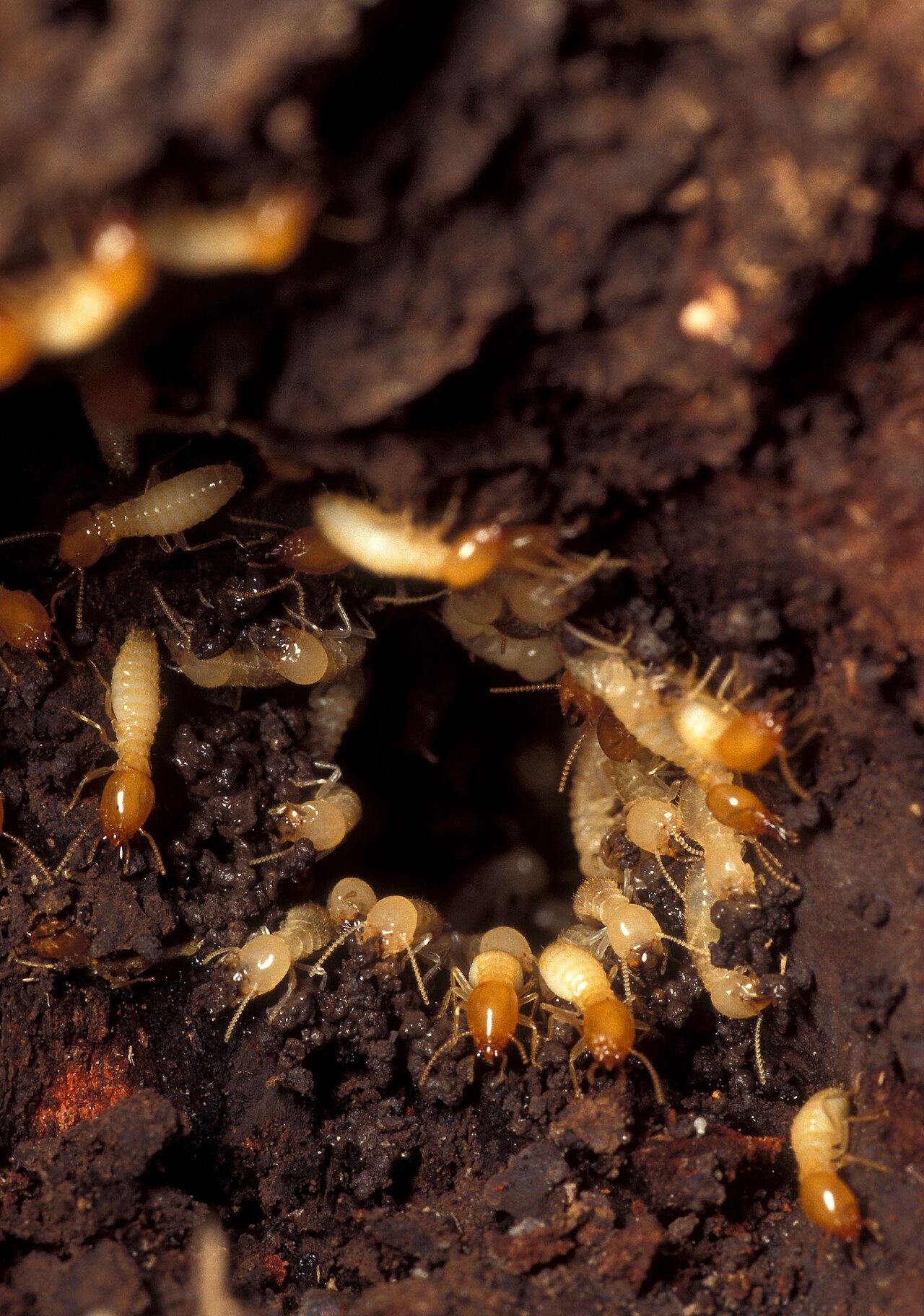
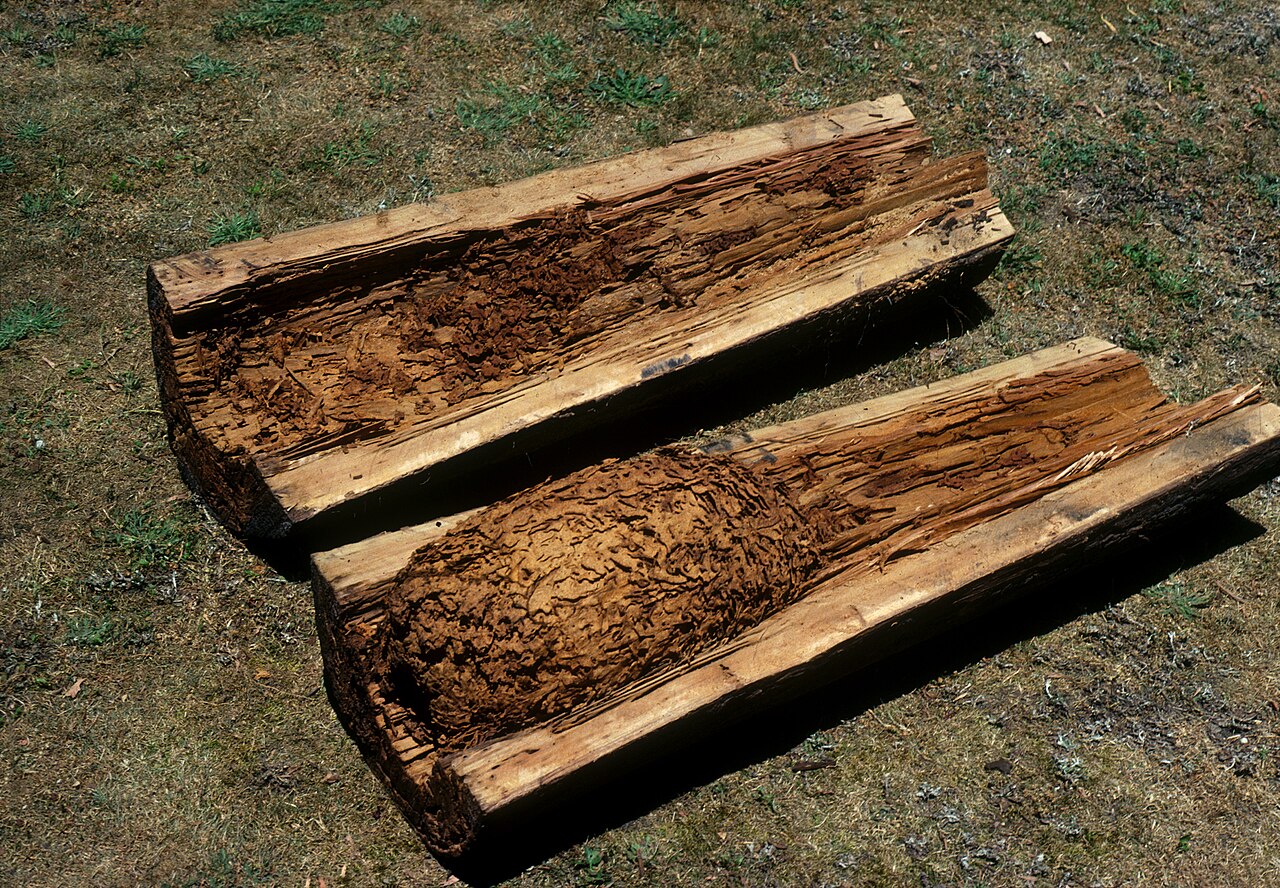
How to tell which one you have: mud tubes on the foundation, tubes crossing concrete, or termites emerging from soil = subterranean (do not tent). Six-sided sand-like droppings (frass), kick-out holes in wood, and swarms in late summer/fall without soil contact = drywood (tenting or whole-structure heat is the standard fix). Not sure? Work through our signs of termites guide and the bugs-that-look-like-termites check before signing anything. The UC IPM drywood termite pest note is the authoritative source on which methods apply to which species.
Tenting vs. localized vs. heat: pick by infestation size
| Approach | Typical price | Best when | Watch out for |
|---|---|---|---|
| Tented fumigation | $2,000–$7,000 | Multiple galleries, inaccessible wall voids, recurring drywood activity | No residual protection; roof wear from tarps; 2–3 days out |
| Whole-structure heat | $2,500–$6,500 | Similar coverage to fumigation without gas; chemical-sensitive households | Heat sinks (attached slabs, tile) make efficacy variable |
| Localized / spot treatment | $250–$1,500 | One known, accessible, small infestation (single board or section) | Hidden colonies survive — you can never be sure of full coverage |
The University of California's research summary is blunt about the trade-off: whole-structure treatments reach hidden infestations that localized treatments can miss, but they cost more, displace the household, and carry more structure-damage risk. Localized treatments win only when the inspection is confident the colony is confined — which requires an experienced inspector, not a drive-by.
How long does tenting take — and why the price doesn't stop at the gas
The standard sequence runs three days: day one for tarping, sealing, and clearing the structure; day two for the gas release, the monitored exposure period, and the start of aeration; day three for final aeration, re-entry testing, and the clearance certificate that lets your family back in. Weather complicates the schedule — high winds can delay tarping, and rain slows aeration — so treat the "you can return on X date" estimate as a window, not a promise. You will pay for the fumigation itself plus the real-world costs around it: two or three nights of hotels, pet boarding, lost perishables if you skip bagging, and sometimes a lawn-irrigation shutoff. Those add-ons commonly add $300–$800 to the true total of a "cheap" bid, which is why the itemized comparison matters more than the headline number.
Does insurance pay for termite tenting?
Almost never. Standard homeowners insurance excludes insect infestations — insurers classify termite damage as a maintenance problem that builds up over months, not a sudden covered peril. What insurance may help with is indirect: a tree limb that punched a hole in the roof and let moisture attract termites might have the resulting water damage covered while the termite work is not. Two things worth knowing before you pay out of pocket: many treatment warranties include annual renewal fees ($100–$300) to keep coverage active, and licensed fumigators carry their own insurance for tent-related damage — ask to see it. Before signing anything, run the agreement through our pest control contract review checklist so you know which clauses matter.
How to prepare and what to budget beyond the tent
- Move out for 24–72 hours — all people, pets, and plants. Budget hotels plus pet boarding.
- Bag or remove food, medicines, and pet food (double-bagged Nylofume bags; anything not sealed can absorb gas).
- Extinguish pilot lights and shut off gas per the fumigator's checklist.
- Trim plants and clear the roofline a foot or more from the eaves so tarps can drop cleanly.
- Expect minor roof wear — tarps and walkers are the most common (small) post-tent complaint.
Fumigation leaves no residual protection: it kills the colony inside the structure today, and tomorrow a new swarm can start over. Pair it with the moisture and wood-contact fixes in our prevention section, and confirm any pre-tent damage findings with the wood decay vs termite checker so you are not pricing rot repair as termite repair.
Tent or not? The decision in five lines
- Identify the species first — mud tubes = subterranean = no tent; frass + kick-out holes = drywood = tenting candidate.
- If the infestation is one accessible board, get localized bids instead of a tent.
- Get 2–3 itemized quotes: gas dose, monitored vs unmonitored, warranty length, re-entry certificate.
- Price your occupancy window (hotels + pets) before comparing bids — it can shift which quote wins.
- Run the numbers with the termite cost estimator and the fumigation volume calculator, then decide DIY vs pro with the DIY-vs-pro comparison.
For official background on termite treatment types and what to expect from a licensed professional, the EPA's termite identification and control guide is the consumer reference; use the National Pesticide Information Center's state agency list to check a fumigator's license with your state regulator before you pay.